

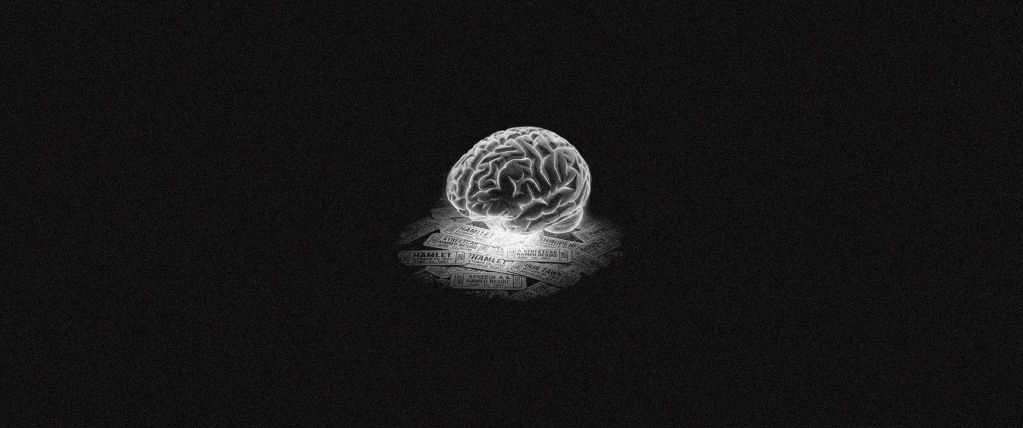
As an independent producer, you understand that bringing your cinematic vision to life is only half the battle. The journey from creation to distribution, from festival acceptance to financial triumph, hinges on more than just a powerful story. Your film trailer, far from being a mere promotional reel, stands as a critical, high-leverage business tool that, when crafted with psychological precision, can unlock your project’s full potential and secure its future trajectory. For those searching for an expert trailer editor or a skilled film editor to elevate their work, understanding this blueprint is paramount.
We know the high stakes involved, the urgency you feel, and your intense focus on leverage and ROI. This isn’t just about showing your film; it’s about actively engaging the deepest wiring of the human brain. We’re here to provide you with a precise psychological blueprint for your film trailer, guiding you on exactly what characteristics it should possess to harness the powerful Fear Of Missing Out (FOMO) – a primal force that makes your film feel unmissable, ignites an irresistible urge to act, and directly translates to securing vital deals and driving ticket sales.
The Brain’s Ancient Wiring: Why We Fear Missing Out
The human brain is profoundly influenced by FOMO. We are inherently wired to dislike being excluded from valuable or desirable experiences. When something is perceived as limited, our neurological response often intensifies, amplifying our desire for it. To truly leverage this, it’s essential to understand its origins.
Consider our ancestral roots. For early humans, being part of a group was paramount for survival. Social exclusion often meant death; a lone individual was far more vulnerable to predators, lacked access to shared resources like food and water, and missed out on crucial knowledge and skills. Not being “in the know” could have dire consequences, even impacting reproductive opportunities. This primal fear of exclusion, the deep-seated discomfort of being ostracized from the tribe, is hardwired into our brains, making us inherently attuned to what others are experiencing and what we might be missing.
Today, FOMO taps into this ancient survival imperative. When we perceive others having an experience we desire – a cultural phenomenon, a captivating story, a unique event – our brain calculates that we’re missing out on a reward. This triggers a negative prediction error in our dopamine reward system. While dopamine usually reinforces pleasure and motivation, a missed reward causes dopamine levels to crash, leading to a mix of frustration, craving, and emotional discomfort. This psychological cycle creates a powerful drive to rectify the “error” – to engage, to participate, to not be left behind.
Orchestrating Dopamine Cycles: The Trailer’s Design for FOMO
To harness this powerful, innate human response, your film trailer must become a FOMO Catalyst. This is about a precise orchestration of psychological characteristics that subtly (or overtly) hints at a limited window of opportunity for a unique cinematic event. It’s about more than just a montage of scenes; it’s about engineering an emotional crescendo that leaves the brain craving immediate fulfillment – the full experience of seeing the film – by masterfully manipulating dopamine cycles.
Pacing as a Psychological Tool for Urgency
The film trailer’s rhythm and cutting must create an escalating sense of urgency, mimicking the build-up of anticipation within the brain. Rapid-fire cuts, expertly timed reveals, and a narrative pace that deliberately leaves questions unanswered should build to a peak that triggers a primal desire for closure. This rhythmic progression is designed to create a “reward prediction” in the viewer’s brain – the reward being the full story, the answer to the mystery, the resolution of the emotional tension. The characteristic here is a trailer that feels like a vital, unfolding secret, implying that not seeing the film means missing a crucial piece of a compelling puzzle, thereby triggering that dopamine crash associated with a negative prediction error if the viewer doesn’t act to satisfy their craving.
Emotional Hooks Demanding Resolution
Your film trailer should be characterized by emotional beats that are intense yet strategically unresolved. These moments compel the brain to seek completion, creating a lingering curiosity that translates into a psychological discomfort of being “left out” of a cultural conversation or a unique artistic event. Think of those perfectly timed cliffhangers or character dilemmas that leave the viewer desperate for more. The brain, hardwired to seek resolution and avoid those uncomfortable negative prediction errors, will naturally push for action to experience the full narrative and the rich emotional reward it promises. This builds a deep, almost compulsive drive to see the film.
The “Event” Mindset for Exclusivity
Your film trailer should infuse the characteristic of an event rather than just a movie. This is achieved by showcasing elements that promise a unique, unrepeatable experience, making the viewer feel like they’re being offered a privileged opportunity. This could involve subtly hinting at a specific theatrical experience, a limited run, or the birth of a cultural phenomenon that demands collective participation. The sense of a singular, must-attend occasion speaks directly to the brain’s desire to be part of something significant and exclusive. This taps into the ancient tribal impulse to belong and to not be left out of a crucial collective experience.
Your Trailer: The Precision Instrument for Unlocking Unprecedented Demand
By meticulously imbuing your film trailer with these specific psychological characteristics, you, the independent producer, gain a profound business leverage. You’re not just showcasing your film; you are actively engaging the fundamental wiring of the human brain. You activate the primal fear of missing out, compelling audiences to secure tickets and strategically positioning your project as an unmissable, high-value opportunity. For any trailer editor or film editor aiming for impact, mastering this psychological approach is key.
 MAX-Q Studio